Louis DeaneDesign
← Back to selected work

Circular design / Design engineering

Series W

A repairable washing machine optimised for performance-based economic model.

An exploration of how mechanical design can make repair practical. Series W rethinks the washing machine around access, disassembly and an extended service life.

Year2026
Duration6 months
RoleDesign engineer
Series W final design

Designing for repair.

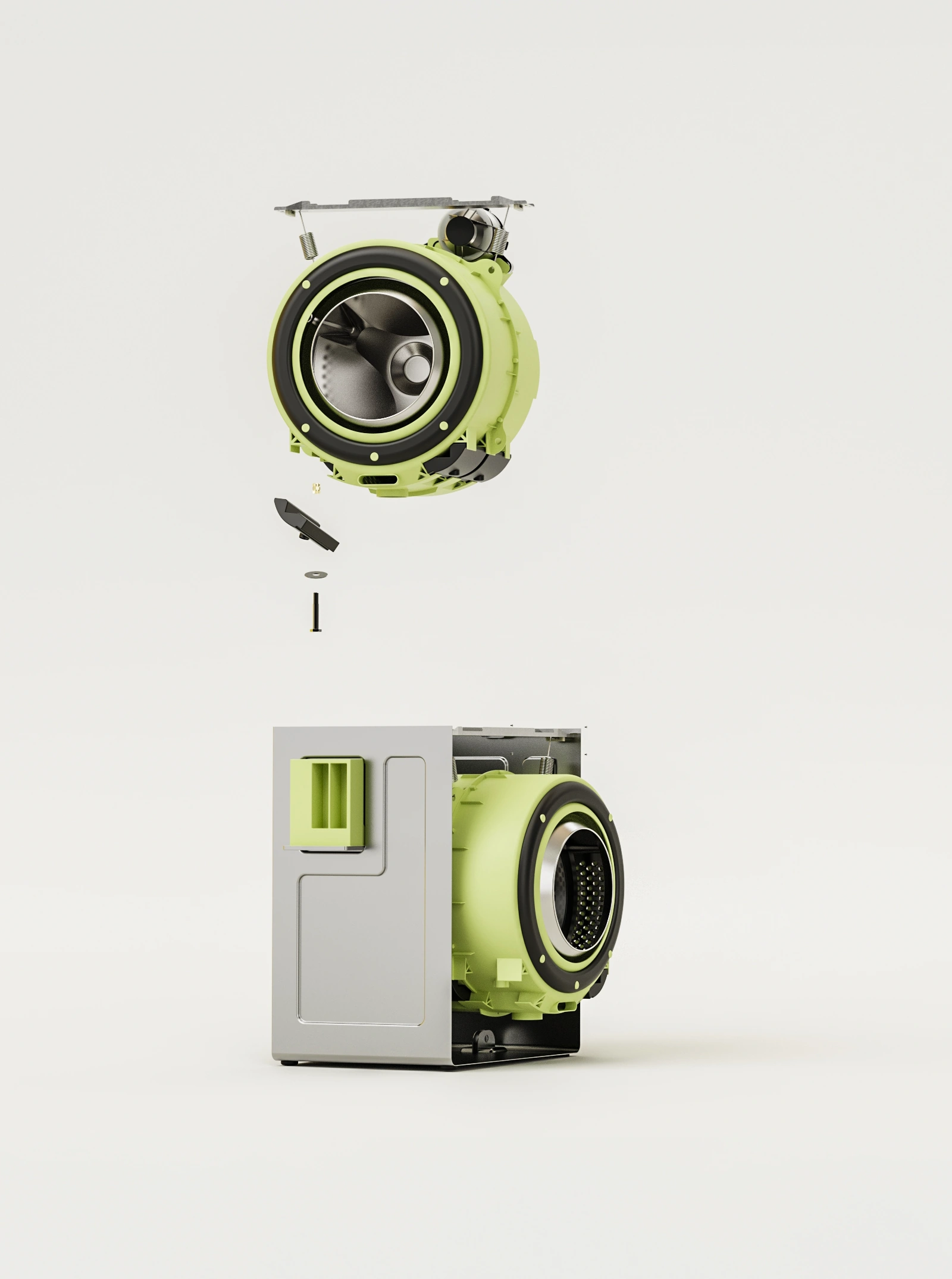
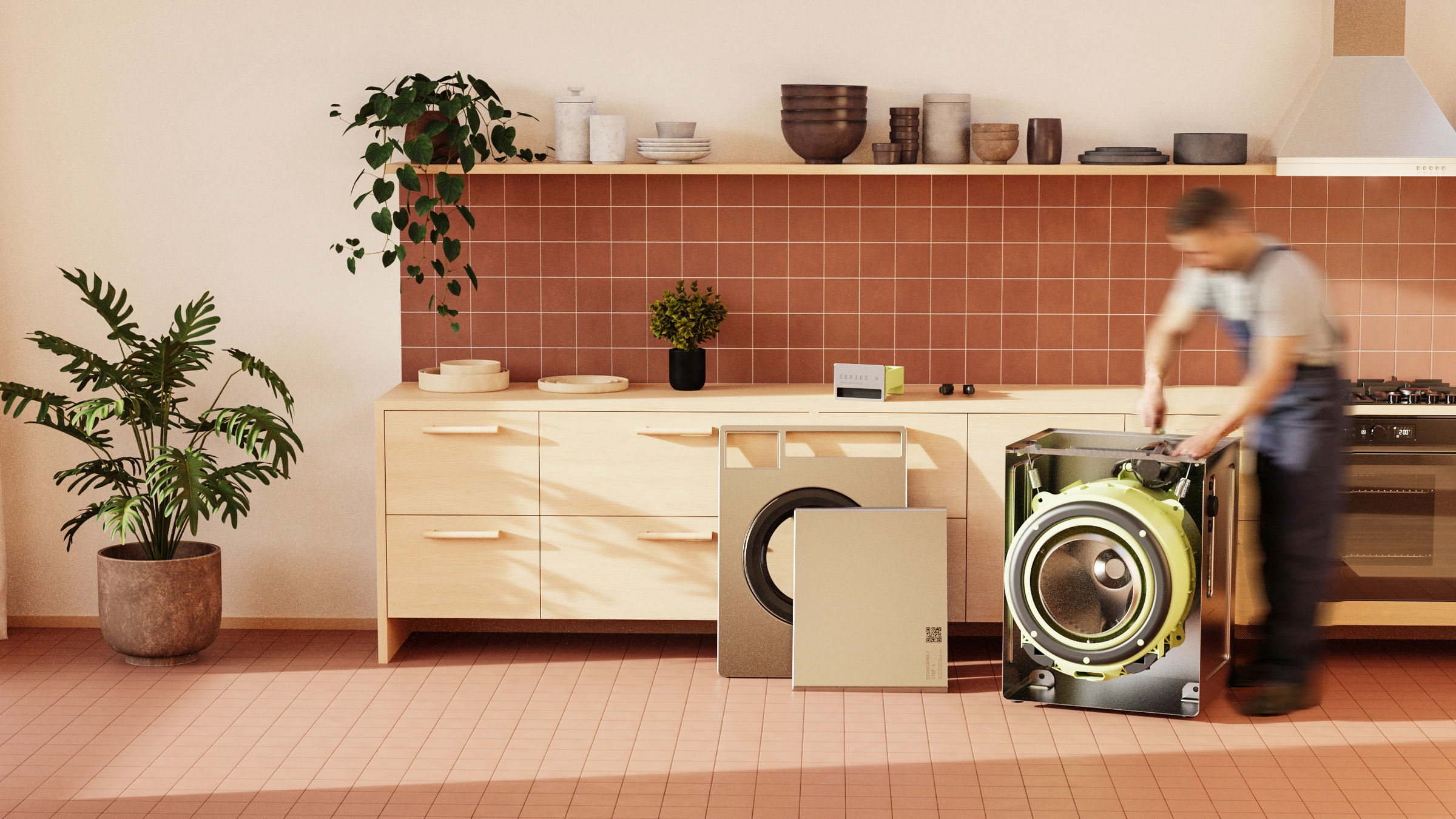
Series W’s design focuses on supporting the disassembly, access and component removal for repair agents, the primary service person in a performance model. The design enables efficient repair through a modular counterweight system allowing an easily accessible top-mounted motor, guided drum removal and a simplified disassembly process. It demonstrates how mechanical design can support extended service life while remaining grounded in manufacturing reality.

Our Economic Model Prioritises Product Turnover Over Longevity.

Framed through the lens of Walter Stahel’s performance economic theory, the project challenges linear models by proposing an alternative centred around service life extension. Consumers, rather than purchasing ownership, purchase a product’s performance. This incentivises manufacturers to design around circular values, coupling economic growth with service life extension.
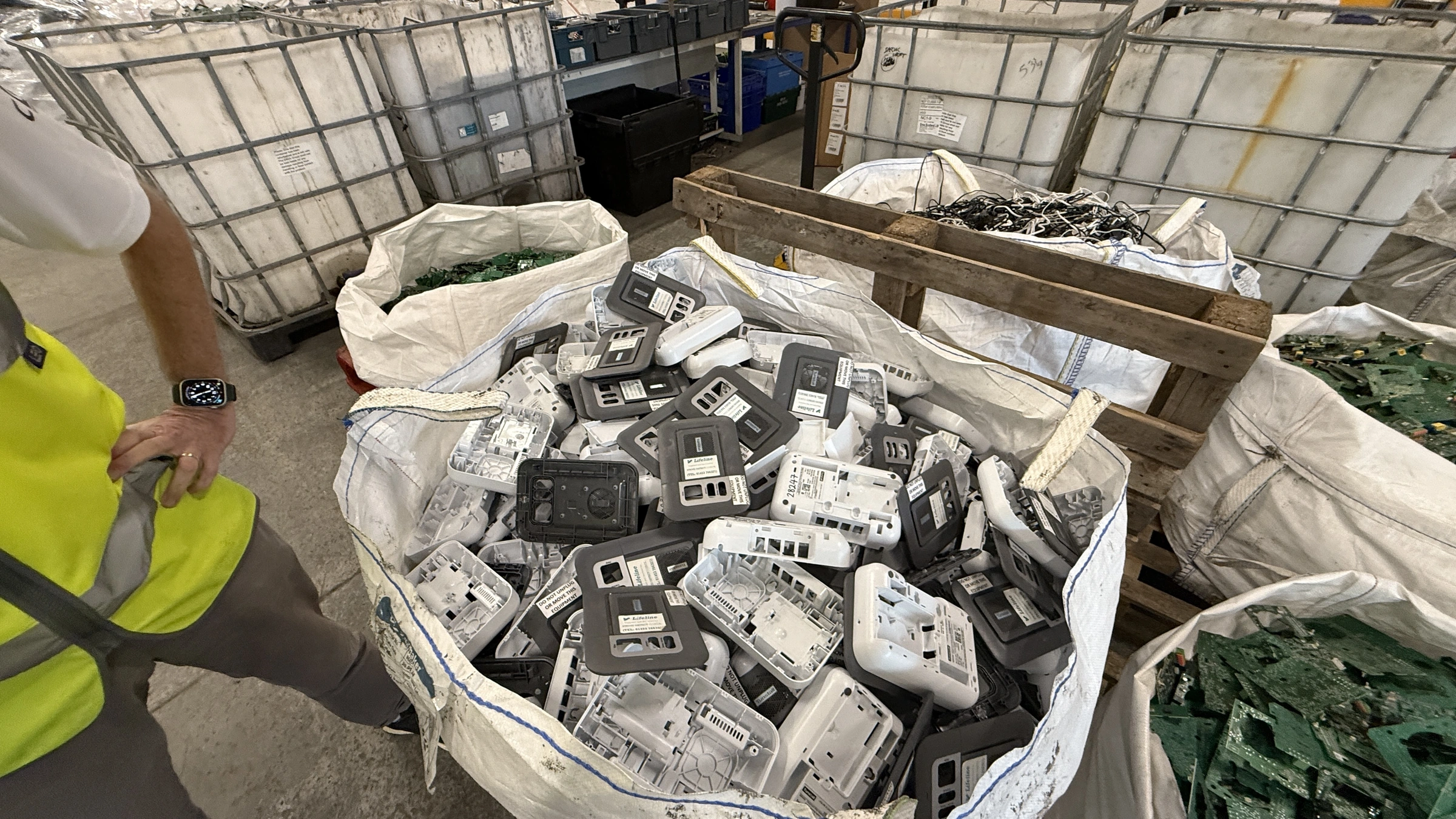
Discarded electronic product housings and circuit boards collected for recycling

Collecting Insights.

A European Commission study on washing machine and dishwasher failures identified bearings and shock absorbers as primary failure points accounting for 22% of failure modes. Interviews with repair agents validated this, consistently identifying bearings as both the most common and most labour intensive failure to fix.

Failure mode analysisRelative failure-mode frequencies reproduced from the portfolio graph. Drum bearings are highlighted in lime green. The original graph has no numeric vertical scale.OtherDrum and TubDrive BeltPump FiltersSpray ArmDrain SystemPressure ControlHeater and ThermostatMotorForeign ObjectsSwitchDetergent SystemDoorElectronicsPumpCarbon BrushesCables and PlugsDrum BearingsInlet ValvesNot Specified
Failure mode analysis · Portfolio research

Economically unfeasible.

To replace bearings, repair agents must fully disassemble the machine, a time intensive process made worse by complex assemblies and sealed drum units. When call out charges, labour, and parts are combined, costs can reach £250, often approaching the price of a replacement machine.

  • 8Kg Washing Machine
  • Price: £249
  • Expected Life: 6–8 Years
  • Drum Replacement: £150–250
Graphic of a front-loading washing machine

Design Features.

Hover, focus or tap a number to explore the detail.

1 — Modular Ballast

The modular ballast system improves access to the top-mounted motor while enabling controlled disassembly. The mass is split into four 3kg cast iron units for improved handling, guided by polypropylene rails as the M8 fastener is released. A moulded-in brass insert ensures structural integrity under load.

2 — Component Storage

Indentations in the side panels provide structural stiffness while acting as storage zones during disassembly. Tethered components such as the control panel and detergent drawer are magnetically secured to the chassis, preventing movement and keeping them clear of the working area.

Series W modular counterweight load path and side-panel component storage

Designed for manufacture.

Hover, focus or tap a number to explore the detail.

1 — Radial Reinforcement

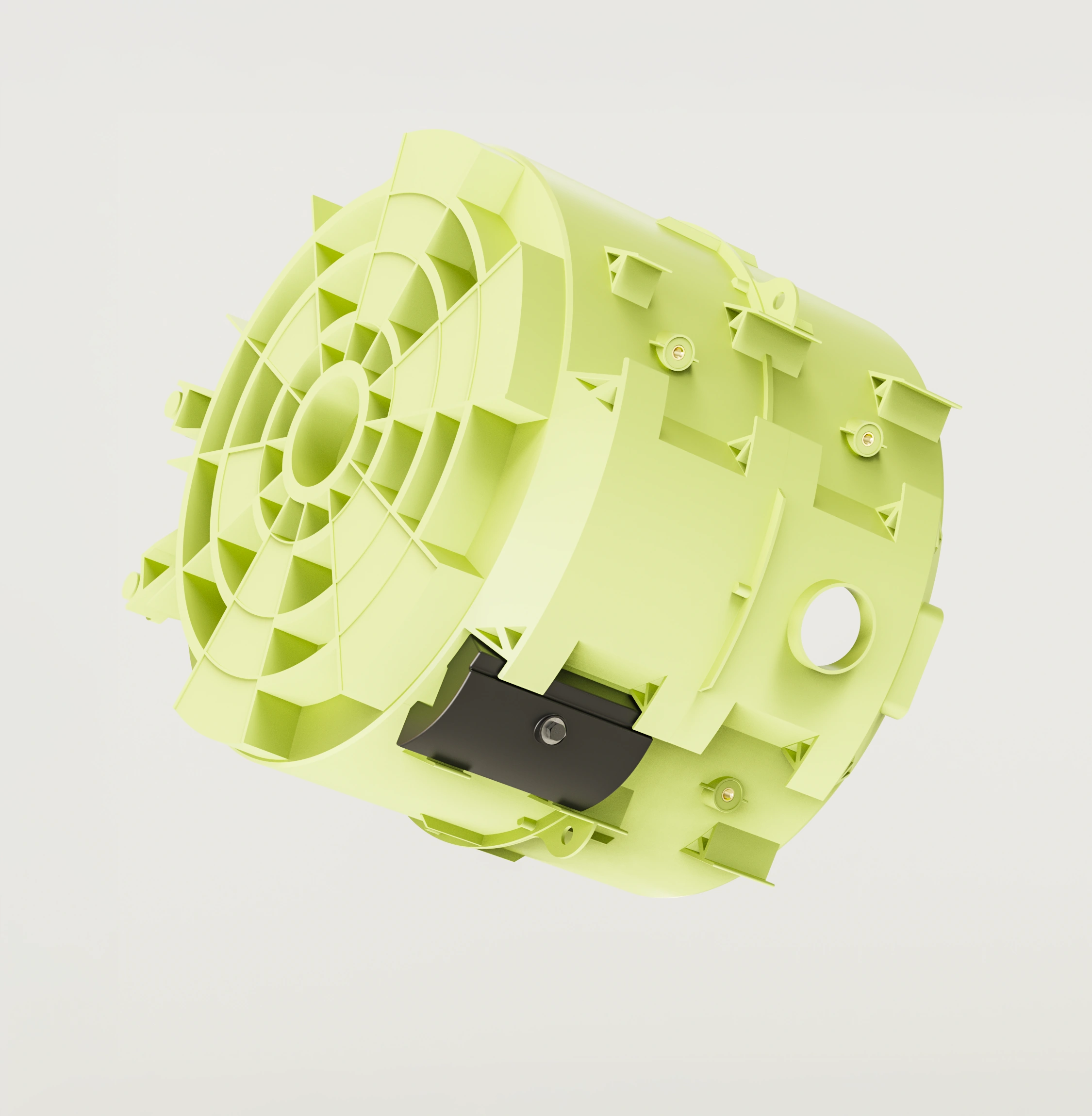
Reinforced radial polypropylene extrusions to resist drum deformation due to loading.

2 — Counterweight Boss

A boss with a recessed interface and threaded insert to locate and secure the ballast.

3 — Concealed Fastener

A concealed fastener ensures even clamping force across the circumference of the drum seal.

4 — Drum Seal

The drum seal houses a silicon gusset and multiple structural ribs and fastener bosses.

5 — Rail Extrusions

Shortened rail extrusions reduce warping during injection moulding and provide the holding structure during counterweight removal.

Polypropylene outer drum with moulded ribs, bosses, seal and guide rails

Designed to Mould

The outer drum was designed around a six-part injection mould, enabling the integrated features and complex geometries required without compromising the overall design. Early concepts were constrained to a two-part tool with multiple side actions, creating restrictive parting lines and forcing unnecessary design compromises.

The six-part tool introduces multiple parting surfaces and side actions to form undercuts, inlets and structural features within a single moulding process, eliminating the need for secondary operations. Side actions form lateral features such as ribs, fixing points and internal channels before retracting to allow clean ejection.

Learn More

To learn more about the Human Factor insights, Design for Disassembly and engineering process click here to download the full portfolio.

Next project — Chip